


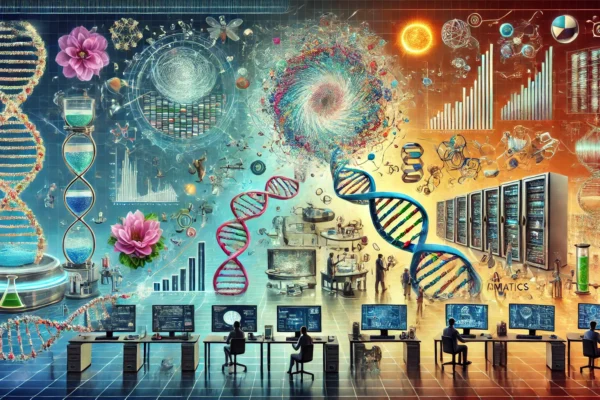
Evolution, Current Impact and Future Potential of Bioinformatics

Bioinformatics is an interdisciplinary field that combines biology, computer science, and information technology to analyze and interpret biological data, particularly large datasets like DNA sequences, protein structures, and gene expression profiles. The evolution, current impact, and future potential of bioinformatics can be broken down as follows: 1. Evolution of Bioinformatics: Origins (1970s–1980s): Bioinformatics began in…

Read More

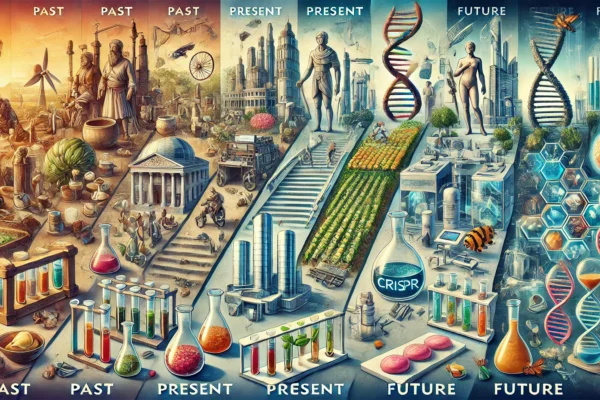
Past, Present and Future of Biotechnology

Biotechnology is a dynamic field of biology that focuses on harnessing living organisms or their biological processes to create products and technologies beneficial for life. This interdisciplinary science bridges biological systems with technical processes like manufacturing, making it a vital tool for improving human life and addressing global challenges. Core Principles and Applications Biotechnology integrates…

Read More

Nepal Premier League (NPL) Cricket 2024

Nepal Premier League (NPL) Cricket 2024: A New Chapter for Nepali Cricket Begins on November 30 in Kathmandu Date: November 19, 2024 Location: Kirtipur Stadium, Kathmandu, Nepal Start Date: November 30, 2024 Nepal’s cricketing landscape is set to witness a landmark event with the return of the highly anticipated Nepal Premier League (NPL) Cricket 2024….

Read More

Antiferro magnetic material

Antiferro magnetic material  Antiferromagnetic materials are materials where the magnetic moments of neighboring atoms align in an antiparallel fashion, resulting in no net magnetic.Here are some examples of antiferromagnetic materials: Manganese oxide (MnO), Chromium, Hematite, Iron manganese (FeMn), and Nickel oxide (NiO). Antiferromagnetic materials have several properties, including: Temperature dependence The magnetic susceptibility of antiferromagnetic…

Read More

Antiferromagnetic materials

Antiferro magnetic material  Antiferromagnetic materials are materials where the magnetic moments of neighboring atoms align in an antiparallel fashion, resulting in no net magnetic.Here are some examples of antiferromagnetic materials: Manganese oxide (MnO), Chromium, Hematite, Iron manganese (FeMn), and Nickel oxide (NiO). Antiferromagnetic materials have several properties, including: Temperature dependence The magnetic susceptibility of antiferromagnetic…

Read More