
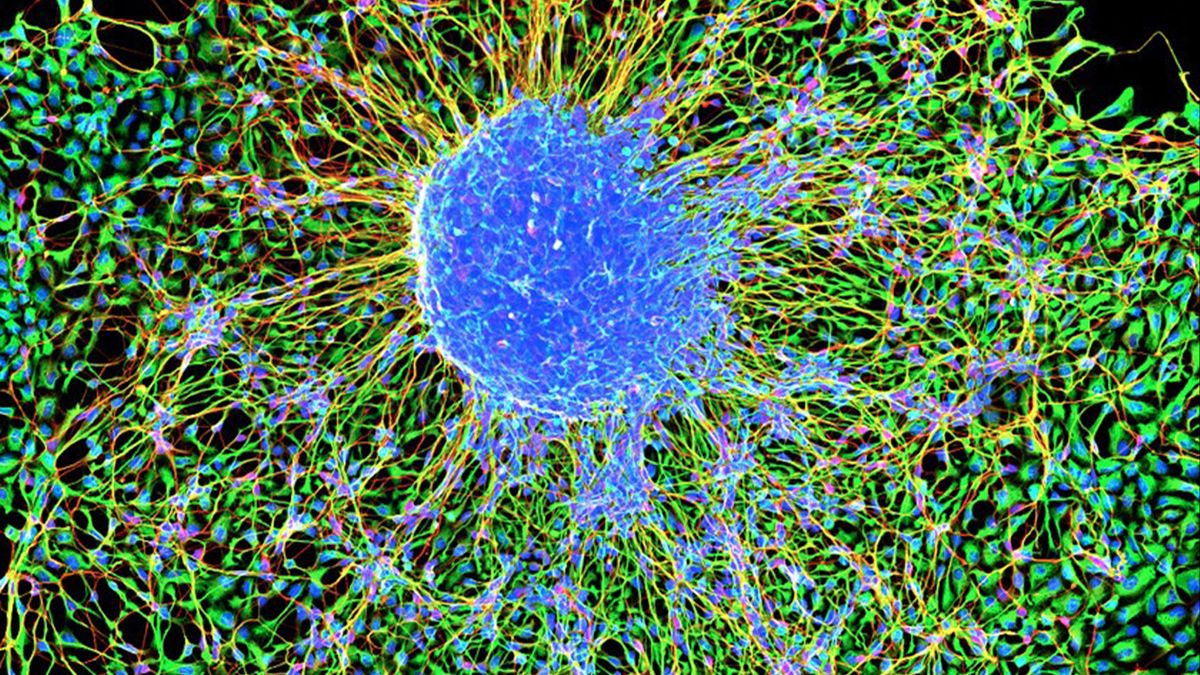
Neurons, the specialized cells of the nervous system, typically do not divide once they have fully matured. This characteristic distinguishes them from many other cell types in the body. Here are some key points regarding the division and regeneration of neurons:
1. Mature Neurons and Cell Division
– Post-Mitotic State: Most neurons are considered post-mitotic, meaning they exit the cell cycle after differentiation and do not undergo further division.
– Stability: This stability is crucial for maintaining the complex networks required for brain function, memory, and learning.
2. Neurogenesis in Specific Brain Regions
– Hippocampus and Olfactory Bulb: Despite the general rule, certain brain regions, such as the hippocampus and the olfactory bulb, exhibit neurogenesis (the process of generating new neurons) throughout life.
– Subventricular Zone (SVZ): Another region where neurogenesis occurs is the subventricular zone, which can supply new neurons to the olfactory bulb.
3. Implications for Brain Repair and Plasticity
– Plasticity: Although mature neurons do not divide, the brain can still undergo plasticity, meaning it can reorganize itself by forming new connections.
– Stem Cells: Neural stem cells, found in specific niches, can divide and differentiate into various types of neural cells, including neurons, under certain conditions. This potential is being explored for brain repair and treating neurodegenerative diseases.
4. Research and Therapeutic Potential
– Regenerative Medicine: Understanding the mechanisms of neurogenesis and neural stem cell activation holds promise for developing therapies for conditions like Alzheimer’s disease, Parkinson’s disease, and stroke.
– Challenges: The primary challenge remains to control and direct the differentiation and integration of new neurons into existing neural networks effectively.
In summary, while mature neurons themselves do not divide, the brain does have limited regions where new neurons can be generated. This ongoing research into neurogenesis and neural stem cells opens potential avenues for developing treatments for various neurological conditions.