

Science & Technology
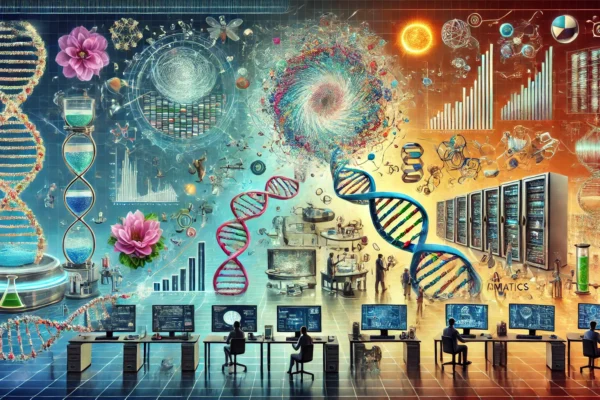
Evolution, Current Impact and Future Potential of Bioinformatics
Bioinformatics is an interdisciplinary field that combines biology, computer science, and information technology to analyze and interpret biological data, particularly large datasets like DNA sequences, protein structures, and gene expression profiles. The evolution, current impact, and future potential of bioinformatics can be broken down as follows: 1. Evolution of Bioinformatics: Origins (1970s–1980s): Bioinformatics began in…
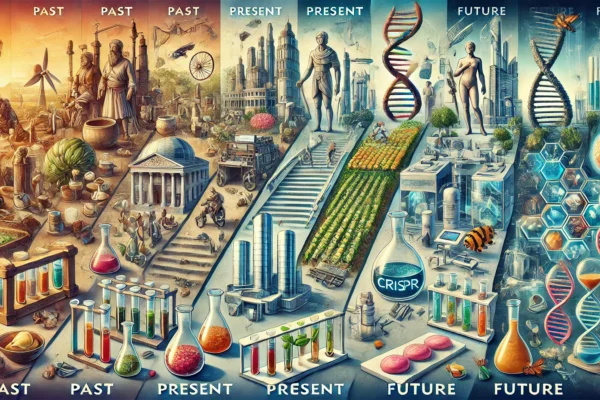
Past, Present and Future of Biotechnology
Biotechnology is a dynamic field of biology that focuses on harnessing living organisms or their biological processes to create products and technologies beneficial for life. This interdisciplinary science bridges biological systems with technical processes like manufacturing, making it a vital tool for improving human life and addressing global challenges. Core Principles and Applications Biotechnology integrates…

NAST to Award Scientists, Technologists, and Talents in 12 Categories
The Nepal Academy of Science and Technology (NAST) has decided to award scientists, technologists, and talented individuals in 12 different categories. This decision was made during the 48th Academic Assembly of NAST, held at 26 November 2024. The meeting, chaired by Prime Minister and Chancellor KP Sharma Oli at the Prime Minister’s residence in Baluwatar,…
Antiferro magnetic material
Antiferro magnetic material Antiferromagnetic materials are materials where the magnetic moments of neighboring atoms align in an antiparallel fashion, resulting in no net magnetic.Here are some examples of antiferromagnetic materials: Manganese oxide (MnO), Chromium, Hematite, Iron manganese (FeMn), and Nickel oxide (NiO). Antiferromagnetic materials have several properties, including: Temperature dependence The magnetic susceptibility of antiferromagnetic…
Antiferromagnetic materials
Antiferro magnetic material Antiferromagnetic materials are materials where the magnetic moments of neighboring atoms align in an antiparallel fashion, resulting in no net magnetic.Here are some examples of antiferromagnetic materials: Manganese oxide (MnO), Chromium, Hematite, Iron manganese (FeMn), and Nickel oxide (NiO). Antiferromagnetic materials have several properties, including: Temperature dependence The magnetic susceptibility of antiferromagnetic…
Differences between Adsorption and Absorption
Difference between Adsorption and Absorption. Absorption 1. The process in which atoms, molecules or ions enters some bulk phase.(Liquid orsolid material) 2. It is bulk phenomenal. 3. Example :- paper or towel absorbing water, co2 form air to Naoh Adsorption 1. The adhesion of atom, ions or molecules from gas, liquid or dissolved solid…