
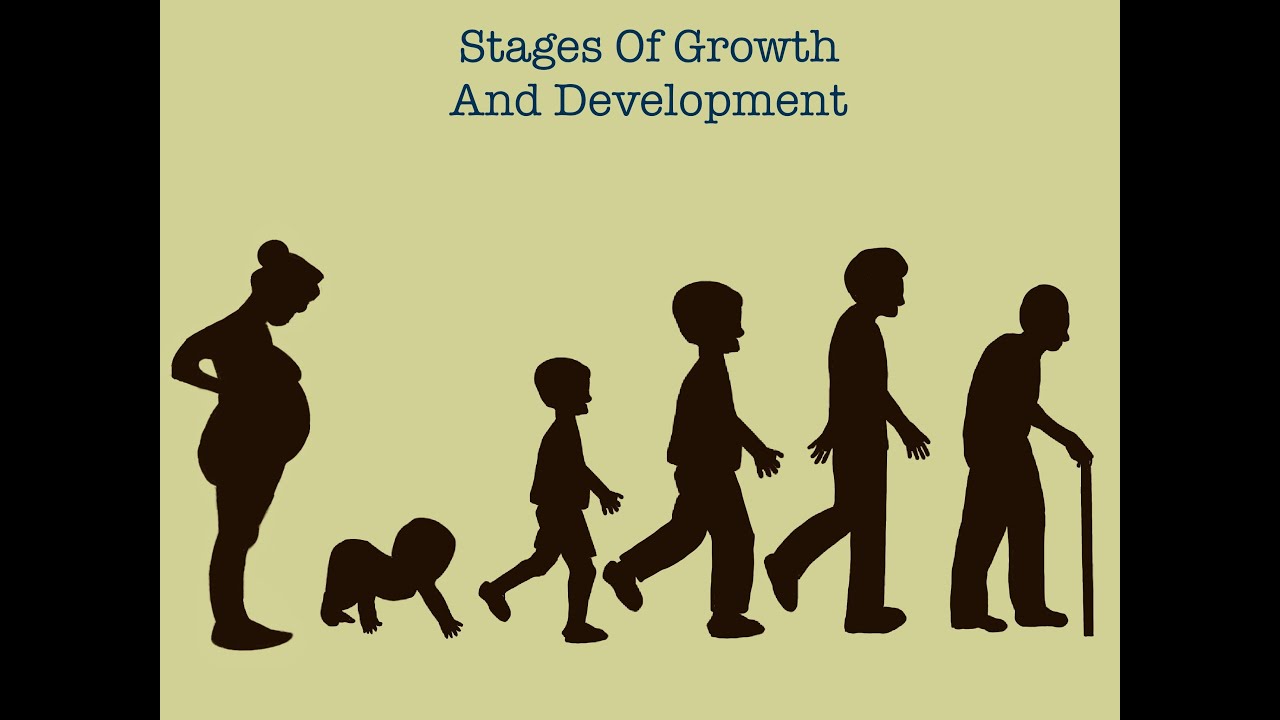
From the perspective of educational psychology, human growth and development are related yet distinct concepts. Understanding the difference between these two terms is crucial for educators as they plan and implement effective teaching strategies. Here’s a detailed comparison:
### Human Growth
**Definition:**
– **Growth** refers to the physical changes that occur in the body over time. This includes increases in height, weight, and other bodily changes that can be measured quantitatively.
**Characteristics:**
– **Physical Nature:** Growth is primarily concerned with physical changes, such as the development of bones, muscles, and organs.
– **Quantitative:** These changes can be measured and quantified, such as the increase in height or weight.
– **Ceases After Maturity:** Growth typically follows a predictable pattern and generally stops after reaching physical maturity (around late adolescence).
**Educational Implications:**
– **Physical Development Stages:** Educators need to be aware of different physical development stages to provide age-appropriate activities and accommodations.
– **Health and Nutrition:** Ensuring students have access to proper nutrition and physical activity to support their growth.
### Human Development
**Definition:**
– **Development** refers to the overall changes in humans throughout their lifespan, encompassing physical, cognitive, emotional, and social aspects.
**Characteristics:**
– **Holistic:** Development is a comprehensive term that includes not just physical growth, but also cognitive, emotional, and social development.
– **Qualitative:** Development involves qualitative changes, such as the acquisition of new skills, changes in thought processes, and the ability to understand complex concepts.
– **Lifelong Process:** Development is a continuous process that occurs throughout a person’s life, from infancy to old age.
**Educational Implications:**
– **Cognitive Development:** Understanding stages of cognitive development (such as Piaget’s stages) helps educators design appropriate learning experiences that match students’ cognitive abilities.
– **Social and Emotional Development:** Recognizing the importance of social interactions and emotional well-being in learning. This includes fostering a supportive classroom environment and addressing individual students’ emotional needs.
– **Individual Differences:** Acknowledging that development varies among individuals. Personalized learning approaches can help meet diverse developmental needs.
### Integration in Educational Settings
In an educational context, it’s essential to integrate knowledge of both growth and development:
– **Curriculum Design:** A curriculum that considers both the physical growth and overall developmental stages of students ensures a more comprehensive educational approach.
– **Teaching Strategies:** Employing strategies that support both physical health (e.g., physical education) and cognitive/emotional development (e.g., problem-solving tasks, collaborative projects).
– **Assessment:** Using a variety of assessment methods to capture the multifaceted nature of student development, including physical growth metrics, cognitive assessments, and socio-emotional evaluations.
By understanding the differences and interconnections between growth and development, educators can create more effective and supportive learning environments that cater to the diverse needs of their students.
Determinants of human growth and development
Human growth and development are influenced by a complex interplay of various factors. These determinants can be broadly categorized into genetic, environmental, and individual factors. Understanding these determinants helps educators, parents, and policymakers support optimal development. Here’s an overview:
### Genetic Determinants
**1. Heredity:**
– **Genetic Makeup:** The genetic information inherited from parents plays a crucial role in determining physical characteristics such as height, weight, and predisposition to certain diseases.
– **Genetic Disorders:** Conditions like Down syndrome, cystic fibrosis, and sickle cell anemia can significantly impact growth and development.
**2. Endocrine System:**
– **Hormones:** Growth hormones, thyroid hormones, and other endocrine factors regulate various aspects of physical growth and development.
### Environmental Determinants
**1. Nutrition:**
– **Dietary Intake:** Adequate nutrition is essential for physical growth and brain development. Malnutrition can lead to stunted growth and cognitive deficits.
– **Prenatal Nutrition:** The mother’s nutrition during pregnancy impacts fetal development significantly.
**2. Socioeconomic Status:**
– **Access to Resources:** Higher socioeconomic status often provides better access to nutritious food, healthcare, and educational opportunities, fostering better growth and development.
– **Stress and Stability:** Economic stability reduces stress and supports a more conducive environment for development.
**3. Family Environment:**
– **Parental Support:** Emotional and educational support from parents and caregivers promotes cognitive and social development.
– **Home Environment:** A stimulating home environment with access to books, educational toys, and activities fosters intellectual growth.
**4. Education:**
– **Quality of Education:** Access to high-quality education with experienced teachers and adequate resources supports cognitive and social development.
– **Early Childhood Education:** Early interventions and preschool programs lay a strong foundation for future learning and development.
**5. Healthcare:**
– **Access to Medical Care:** Regular medical check-ups, vaccinations, and treatment of illnesses are vital for maintaining health and supporting growth.
– **Preventive Care:** Early detection and intervention of health issues can mitigate adverse effects on development.
**6. Cultural Influences:**
– **Cultural Practices:** Cultural beliefs and practices influence dietary habits, parenting styles, and educational values, affecting development.
– **Community Support:** Social norms and community support systems play a role in providing a secure environment for children to grow and learn.
### Individual Determinants
**1. Personal Health:**
– **Chronic Illness:** Conditions like asthma, diabetes, and congenital heart disease can impact growth and development.
– **Physical Activity:** Regular physical activity is crucial for healthy physical development and also contributes to cognitive and emotional well-being.
**2. Psychological Factors:**
– **Mental Health:** Mental health issues like anxiety, depression, and trauma can hinder both physical and cognitive development.
– **Self-Esteem and Motivation:** High self-esteem and motivation enhance learning and developmental outcomes.
**3. Temperament:**
– **Individual Differences:** A child’s temperament, including their emotional reactivity and ability to adapt to new situations, influences their interactions and learning experiences.
### Interaction of Determinants
– **Interplay of Factors:** Growth and development are rarely influenced by a single determinant. For example, a child’s genetic potential for height may be modified by nutritional status, which in turn may be influenced by socioeconomic factors.
– **Critical Periods:** There are critical periods during which certain determinants have a more pronounced effect. For instance, adequate nutrition is particularly crucial during early childhood for brain development.
### Educational Implications
– **Holistic Approach:** Educators should adopt a holistic approach, considering all determinants to support each child’s unique growth and development trajectory.
– **Interventions and Support:** Early interventions for at-risk children and supportive measures for all students, such as providing nutritious meals at school and fostering a positive classroom environment, can mitigate negative influences and promote healthy development.
Understanding these determinants helps in creating effective strategies to nurture and support the growth and development of children and adolescents in educational settings.