Neurons do not divide for several reasons related to their structure, function, and the biological constraints of the nervous system:
### 1. **Specialized Function and Structure**
– **Complex Connections**: Neurons form intricate networks with specific connections to other neurons, muscles, or glands. Division would disrupt these highly specialized and essential connections, potentially leading to loss of function and neural network integrity.
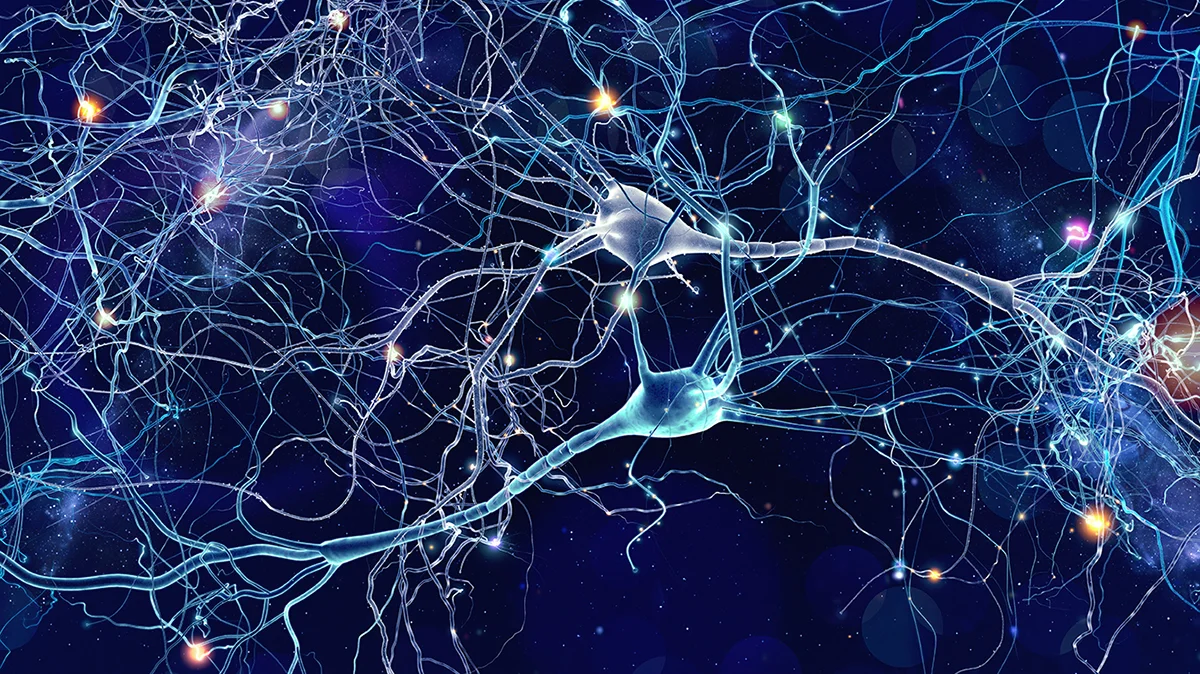
– **Unique Morphology**: Neurons have a unique structure, including long axons and dendrites, designed for transmitting electrical signals over long distances. This complex morphology is not conducive to the cell division process, which typically requires a more simplified cell structure.
### 2. **Energy and Resource Allocation**
– **High Energy Demand**: Neurons have high metabolic demands to maintain their function, including generating and propagating electrical signals and maintaining synaptic activity. Dividing cells require additional energy and resources that neurons cannot spare without compromising their primary functions.
– **Specialized Metabolism**: Neurons are optimized for neurotransmission rather than cell division. The biochemical pathways and cellular machinery required for mitosis are downregulated or absent in mature neurons.
### 3. **Genetic and Molecular Factors**
– **Cell Cycle Exit**: During differentiation, neurons exit the cell cycle and enter a post-mitotic state. This exit is controlled by specific genetic and molecular mechanisms, such as the upregulation of cell cycle inhibitors (e.g., p21, p27) and the downregulation of proteins essential for cell division (e.g., cyclins and cyclin-dependent kinases).
– **DNA Damage and Protection**: Neurons are long-lived cells, and continuous division increases the risk of accumulating DNA damage. Remaining non-dividing reduces the likelihood of such damage affecting brain function.
### 4. **Maintenance of Stability and Function**
– **Stable Networks**: Stability in neural networks is crucial for memory, learning, and consistent brain function. Regular cell division could introduce variability and disrupt the stability necessary for these processes.
– **Synaptic Integrity**: Neurons form synapses with specific target cells, creating a precise and stable network. Maintaining these synaptic connections is critical for proper neural function, which would be compromised if neurons were to divide.
### 5. **Neurogenesis in Specific Regions**
– **Selective Neurogenesis**: Although most neurons do not divide, neurogenesis occurs in specific brain regions like the hippocampus and the olfactory bulb, where new neurons can be integrated into existing networks. This process is carefully regulated to maintain overall brain function and integrity.
– **Stem Cells**: Neural stem cells in certain brain areas can divide and differentiate into neurons, providing a mechanism for limited repair and regeneration while avoiding widespread disruption.
In summary, the non-dividing nature of neurons is a result of their specialized function, complex structure, high energy demands, and the need for stable and consistent neural networks. These factors collectively ensure the proper functioning of the nervous system throughout an individual’s life.