I was having dinner with my family when the conversation suddenly turned to cousin marriages in our society, especially among the Tamang and Magar communities. They were discussing the dangers and why such practices lmight not be good. I took the opportunity to explain what inbreeding actually is and its possible consequences. This conversation inspired me to share this information on SciGenius Academy to help raise awareness about the topic.
Introduction
Inbreeding is the reproduction between closely related individuals. This practice occurs in various species, including humans, animals, and plants, and can lead to significant genetic consequences.
Definition and Mechanism
Inbreeding occurs when individuals that share a recent common ancestor mate. This can result in a higher likelihood of offspring inheriting two copies of harmful recessive alleles, leading to genetic disorders.
Genetic Consequences
[embeddoc url=”https://scigeniusacademy.com/wp-content/uploads/2024/10/cousin-3.jpg” download=”all” viewer=”google”]
1.Reduced Genetic Diversity: Inbreeding reduces the gene pool, which can limit adaptability and resilience in populations.
2.Inbreeding Depression: This phenomenon refers to the decreased biological fitness in a population due to inbreeding. It can result in lower fertility rates, higher mortality rates, and increased susceptibility to diseases.
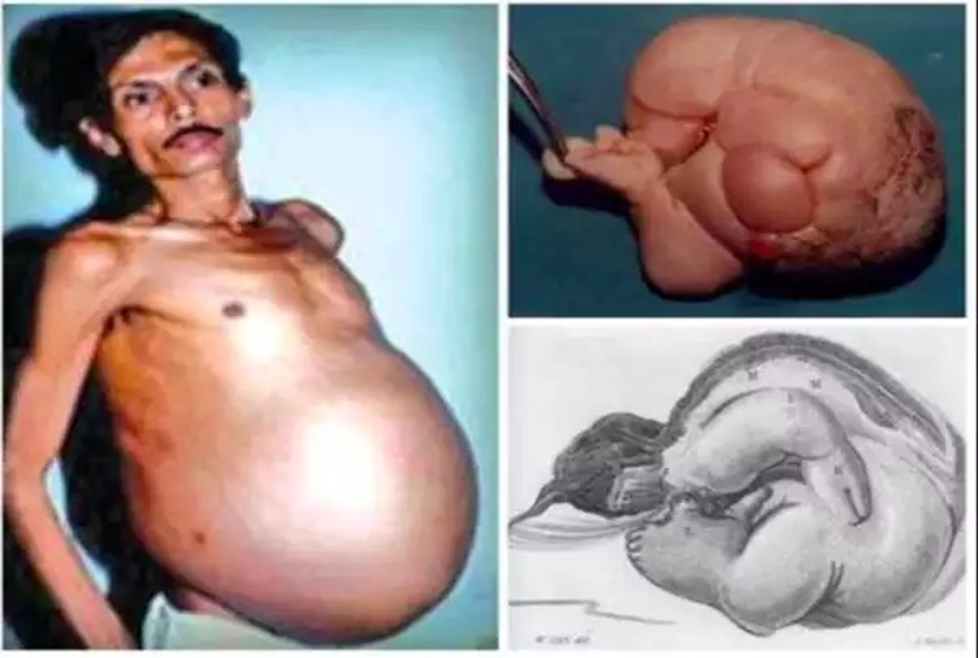
3.Manifestation of Genetic Disorders: Conditions such as cystic fibrosis, sickle cell anemia, and certain types of cancer can be more prevalent in inbred populations.
Examples in Nature and Humans
–Animal Breeding: Inbreeding is common in dog breeding, often leading to inherited health issues such as hip dysplasia or heart problems.
–Conservation Biology: Endangered species may suffer from inbreeding due to small population sizes, which can threaten their survival.
[embeddoc url=”https://scigeniusacademy.com/wp-content/uploads/2024/10/cousin-2.jpg” download=”all” viewer=”google”]
Cultural and Ethical Considerations
In certain cultures, cousin marriages and other forms of consanguinity are common, sometimes for social or economic reasons. However, these practices can raise ethical questions regarding informed consent and the potential risks to offspring.
Prevention and Management
1.Genetic Counseling: For humans, genetic counseling can help families understand the risks associated with inbreeding.
2.Conservation Strategies: Wildlife conservation efforts often focus on increasing genetic diversity through managed breeding programs and habitat restoration.
Conclusion
While inbreeding can have specific advantages in terms of maintaining desirable traits, the risks often outweigh the benefits, particularly concerning health and genetic diversity. Understanding the implications of inbreeding is crucial for both conservation efforts and family planning.
For further reading on the genetic risks and implications of inbreeding, you can explore the following sources:
References
- IFLScience: Cousin Marriage Could Be Genetically Disastrous For Offspring – [http://www.iflscience.com/cousin-marriage-could-be-genetically-disastrous-for-offspring-47733](http://www.iflscience.com/cousin-marriage-could-be-genetically-disastrous-for-offspring-47733)
- Medical Research Archives: Consanguinity, Fertility, and Reproductive Outcomes – [https://esmed.org/MRA/mra/article/view/2589](https://esmed.org/MRA/mra/article/view/2589)
- Scientific American: The Genetic Risks of Cousin Marriage – [https://www.scientificamerican.com/article/the-genetic-risks-of-cousin-marriage/](https://www.scientificamerican.com/article/the-genetic-risks-of-cousin-marriage/)